
One smaller monthly payment may simplify a calendar while making debt more expensive overall. Compare what remains on the existing loans with the complete replacement schedule.
Information checked on 11 October 2026.
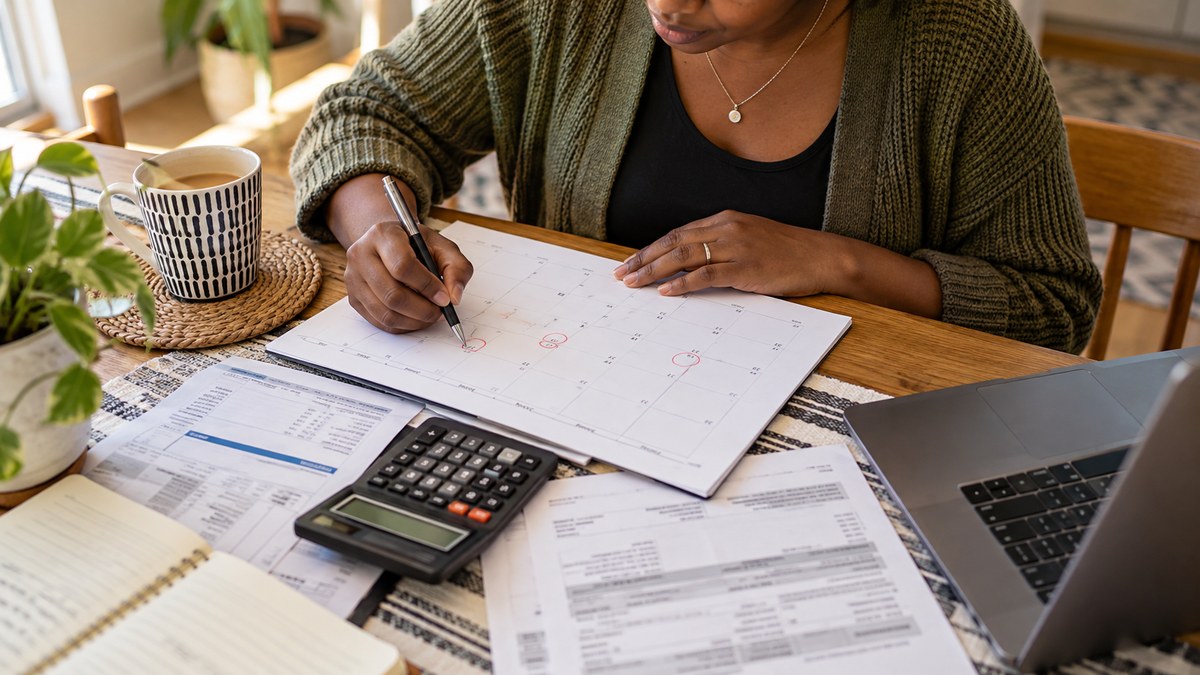
Start with balances that can actually be settled
For each existing loan, request a settlement figure valid for the date you are considering. Keep that figure separate from the sum of remaining instalments: they answer different questions. Record any unpaid charge and how the provider wants payment referenced. An amount copied from an old statement may not close the account today. Ask for confirmation of how settlement will be recognised and how you will know the old obligation has been discharged. Do not assume an application for a new loan automatically pays every existing creditor.
Compare from today, not from the original borrowing date
Money already paid is not a future saving available to fund the replacement. Make one schedule of the payments still due if you keep the existing loans and another for the complete new arrangement. Include settlement-related amounts and new required costs without double counting. Keep the cash needed to clear existing loans separate from any extra cash offered. Adding a new purchase to the replacement changes the decision; it should not be presented as a saving from consolidating the same debt.

An example of payment relief without a saving
Two fictional commitments have combined payments of R1 000 a month for the next ten months, totalling R10 000. A replacement arrangement requires R650 a month for eighteen months, totalling R11 700, with no other required payment in this simplified example. Monthly outflow falls by R350, but the scheduled future total increases by R1 700 and lasts eight months longer. This is not a lender offer or a settlement calculation. Actual balances, charges and unequal remaining terms must be included in a real comparison. Decide whether the cashflow relief justifies the complete cost rather than calling a lower payment automatically cheaper.
Protect the improved budget
If existing accounts remain open, additional borrowing can rebuild the obligations that the new loan was meant to simplify. Decide how to manage that access and check whether any cancellation or closure request has consequences for services you still need. Put the new payment into the essential-spending budget for every month of its term. Keep the amount freed each month assigned to a purpose, such as a realistic reserve, rather than treating it as an invitation to increase spending.
When consolidation is not the next useful step
A replacement loan cannot create income. If essential bills and existing commitments already exceed reliable income, another approval may simply postpone the problem. Obtain a clear list of balances and discuss available arrangements directly with the providers. A registered debt counsellor can be another route to investigate when several obligations are unmanageable; understand the process, costs and consequences before agreeing. Avoid anyone promising automatic removal of debts or a guaranteed new approval in exchange for an advance payment.
Questions and answers
Is a smaller monthly payment enough to decide?
No. Compare the full remaining outflow, the term, settlement figures and your essential budget. Payment relief and a lower total cost are different outcomes.
Does a consolidation loan close the old accounts?
Do not assume so. Check who makes settlement payments and obtain confirmations from the existing providers. Account closure and settlement of the balance may require different steps.